Flying Through a Pandemic
As 2020 dawned, Southwest was poised for another banner year. But in less than a month, everything changed. January brought reports of a dangerous new virus spreading rapidly around the globe, one that would dramatically impact life as we know it. In particular, it brought the travel and tourism industry to a near-standstill, affecting every related business, from hotels to entertainment events to restaurants, and, of course, airlines.
By January 17, the Centers for Disease Control and Prevention (CDC) was conducting public health screenings for incoming international travelers at three major U.S. airports: San Francisco (SFO), New York (JFK), and Los Angeles (LAX). By late February, it was clear that the COVID-19 pandemic was going to impact the airline industry in a big way.
Southwest has plans for all types of emergencies. SARS, 9/11, the 2009 H1N1 outbreak, hurricanes—Managing Director Preparedness and Risk Management Karie Lardon has worked through them all. There are Emergency Response Plans for aircraft accidents, operational disruptions, weather disruptions, pandemics, and terrorism. In addition, there are also Business Continuity Plans for facility, supplier, and technology events.
“It’s like a 25-watt bulb and a 100-watt bulb,” said former Chief Administration Officer Linda Rutherford, comparing the H1N1 outbreak in 2009 with the coronavirus. As the 2020 pandemic unfolded, it required Southwest to leverage the pandemic checklist which is part of the Disaster Response Plan.
The process of the Disaster Response Team shifted as they adapted to updates on health and safety precautions through exchanges with the CDC. Every department with a seat on the Disaster Response Team was working around the clock to secure personal protective equipment, as well as to research, analyze, and implement enhanced cleaning procedures for areas where our Employees and Customers are located.

New procedures for cleaning and sanitizing aircraft cabins were drawn up, tested, and put in place.
The Team prepared a daily report on COVID-19 cases, a weekly report on governmental restrictions, and managed a coordination call—at times daily—across departments, where everyone reported on their part of the COVID-related response.
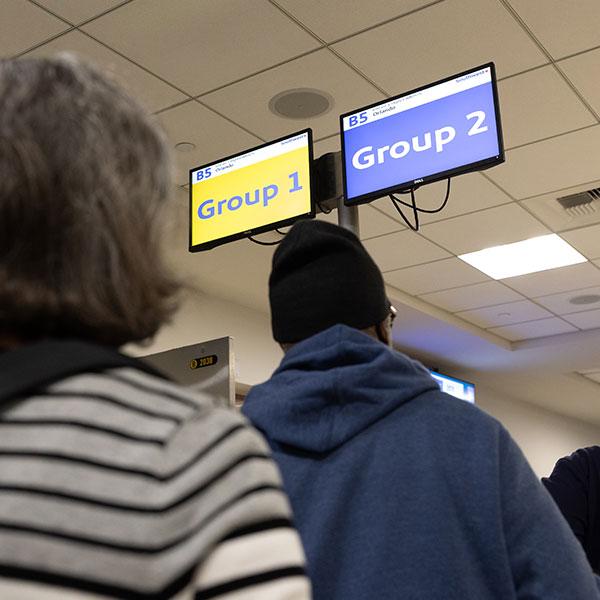
The Safety and Security Department set up a hotline for tracking the COVID-19 testing of Employees. They reached out to a medical advisor with a Dallas hospital to assist with developing and implementing new policies. Southwest’s famous practice of boarding in groups of 30 changed to groups of 10 to allow for greater physical distancing for Customer Safety.
Meanwhile the Disaster Response Team adapted to working remotely even as it managed the massive response. “We cut out all of our face-to-face meetings,” said retired Vice President Network Operations Control Steve West. After March 18, 2020, Southwest’s entire pandemic response effort moved online, requiring “an extra amount of effort to make sure that we’re hitting all the marks.”
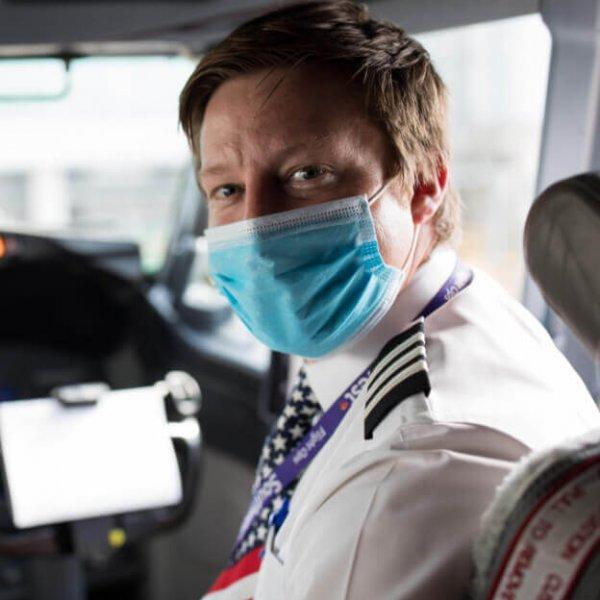
Frontline Operations Employees continued to work in airports and maintenance hangars, and continued to deliver hospitality, albeit differently, as “essential workers.”

Southwest Customers can rest assured knowing the entire Company is working to keep them safe, happy, and healthy.
For Customers, Teams throughout the Company worked to affirm the Southwest Promise, the Company’s pledge to provide enhanced cleaning, sanitizing, and multi-layered safety protections. The word “promise,” Linda said, is “a big word for Southwest Airlines because we have to live up to it.”
On the business side, Company Leaders moved quickly to reduce non-essential spending and significantly bolster cash reserves in order to weather the crisis. Then-Chairman and CEO Gary waived his base salary until the end of 2020, Board Members took a temporary reduction in their fees, and Executive Officers agreed to reduce their salaries. In addition, Leadership suspended hiring; implemented voluntary separation and extended emergency time off programs; deferred hundreds of capital projects; and modified payment terms to vendors and suppliers. Altogether, annual 2020 spending and cash outlays were $8 billion less than original plans. Southwest raised nearly $19 billion of net, new liquidity. That included $13.4 billion in debt issuances and sale-leaseback transactions, $2.2 billion through a common stock offering, and $3.4 billion for payroll support as part of the CARES Act, the economic stimulus bill enacted to preserve airline jobs and airline service to communities in response to the pandemic’s economic toll.
The search for new pools of revenue, as Gary described in his weekly Ask Gary video message to Employees and Customers, responded to the need for new business and presented “an opportunity to put idle aircraft and Employees to work.” Pivoting those aircraft from routes with low demand to new destinations, including Miami and Palm Springs among others, allowed the Company to “build business in new markets with little to no new costs.”
“I know it seems a little counterintuitive,” Gary said, but “these moves involve nominal startup and operating costs” to reach new Customers. Employees were grateful for Gary’s transparency and the factual information he shared in the video messages, which by mid-November 2020, numbered more than 50.
In an industry hit hard by the pandemic, Southwest reported staggering financial losses in 2020. Even so, the Company rose to the challenge of bringing its Servant’s Heart, innovation, and Culture to support those in need. “We had to figure out clever ways that we could give back when we are cash-strapped,” Linda noted.
Southwest quickly put its Heart in action to help Employees, Customers, and the communities they serve by assessing the needs caused by the pandemic. Managing Director Community Engagement & Partnership Laura Nieto explained that “in this time of unprecedented crisis we were able to tap into new and creative resources, allowing us to continue to uniquely serve the needs of our communities. From transporting personnel to provide relief in COVID hotspots, to donating Cargo services to ship food for the herbivores at the Denver Zoo, our commitment to communities never wavered.”